
 A date can start with easy conversation and suddenly turn into a detailed story about a painful childhood experience. This is often where floodlighting dating enters the picture. We may think sharing something deeply personal will create instant closeness, but sharing too much too soon can make the other person step back. Understanding what floodlighting is can help us see why this happens and how to build closeness at a healthier pace.
What is floodlighting?

Floodlighting is a term associated with researcher and author Brené Brown. It describes sharing very personal or painful information to create a feeling of closeness before enough trust has been built.
Floodlighting is not simply talking about feelings. Healthy self-disclosure can help people feel closer. The American Psychological Association also notes that sharing personal information can support closeness and intimacy.
The main difference comes down to timing, purpose and balance.
| Behaviour | What it usually looks like |
|---|---|
| Healthy vulnerability | Sharing personal things as trust grows |
| Floodlighting | Sharing very deep details very early to create quick closeness |
| Trauma dumping | Sharing heavy emotional experiences without considering whether the other person is ready to receive them |
| Love bombing | Giving excessive attention, praise or affection very quickly |
This also explains the difference between floodlighting and love bombing. Floodlighting is mainly about deep personal disclosure, while love bombing is about intense attention, affection and praise.
Floodlighting is not always done with bad intentions. A person may simply want to feel understood. They may believe that telling someone everything will help that person know the “real” them.
But emotional closeness cannot always be created by sharing more.
Why Oversharing Feels Like Closeness
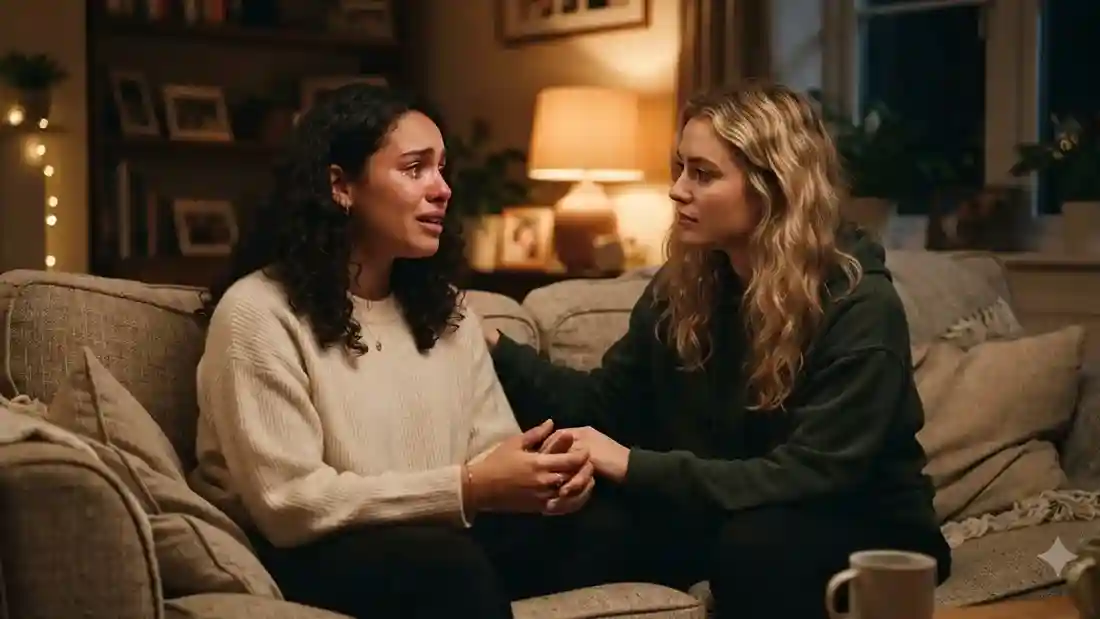
Oversharing in relationships can feel comforting at first.
Imagine carrying a personal story for years and finally meeting someone who seems safe enough to hear it. Sharing everything can bring relief. For a moment, it may even feel like you have known each other for years.
Personal sharing can create connections, but there is a difference between feeling close and being close.
Real closeness develops through small moments. We learn how someone communicates, handles disagreements, respects boundaries and treats us over time.
Floodlighting can skip many of these steps.
Sometimes, we are not only trying to tell someone our story. We are trying to answer a deeper question:
“Will you accept me if you know the difficult parts of me?”
That is why oversharing can feel like a quick path to emotional safety.
What Is Actually Happening Underneath?

For some people, anxious attachment dating patterns can make this stronger.
When someone is afraid of rejection or being left, they may want reassurance quickly. They might share something very personal and then carefully watch the other person’s reaction.
If the person responds warmly, there is relief.
If they become distant, it can feel like rejection.
This can create a cycle:
Fear of rejection → deep disclosure → temporary reassurance → the other person feels overwhelmed → distance → stronger fear of rejection.
The person who overshares may not be trying to control anyone. They may simply be looking for safety and acceptance.
But there is a difference between being vulnerable and using vulnerability to get reassurance.
Brené Brown’s work also makes this distinction important. Vulnerability is not simply telling someone everything. It should come with trust, choice and healthy boundaries.
Recognise this cycle in your own relationships?
A psychometric emotional assessment can show how you respond to closeness, rejection and conflict, so the pattern stops feeling random. Explore Psychometric Assessments →
Why Does Oversharing Push People Away?

This question can now come to mind- why does oversharing push people away?
It is usually not because the other person does not care. It is because the emotional level suddenly becomes much deeper than the relationship.
Someone on a date may be comfortable talking about family, hobbies, work or past relationships. They may not yet be ready to hear someone’s deepest pain.
They may also feel pressure to share something equally personal.
An unspoken message can develop:
“I told you something very private, so now you should tell me something private too.”
That pressure can make the other person uncomfortable.
There is another issue too. Very deep conversations can create a feeling of closeness that the relationship has not actually had time to build. When normal conversation returns, that feeling can fade.
The person who shared may wonder why the other person suddenly seems distant. But the other person may simply be trying to return to a pace that feels natural.
How to Tell Floodlighting From Real Vulnerability

The difference between vulnerability and oversharing is not always about how serious the story is. A personal story can be shared early and still be healthy.
Ask yourself four simple questions:
- Is it mutual? Are both people opening up, or is one person doing most of the emotional talking?
- Is it paced? Is the conversation becoming deeper naturally?
- Is it about connection or reassurance? Are you sharing to help the person know you, or to make sure they will not leave?
- How do you feel afterwards? Do you feel connected, or exposed and worried about their reaction?
Healthy vulnerability leaves room for both people.
It does not demand instant trust or equal disclosure.
What to Do If You Recognise Yourself
The idea of learning how to stop oversharing does not entail keeping people at bay. It entails taking a breather.
Before sharing a deeply personal thing with another individual, take some time out to ponder:
“Am I sharing this thing because it makes sense to do so, or am I doing this because I need some kind of assurance from this person?”
If you need some kind of assurance, then dating a new person might not be the most sensible choice.
It can also help to match the level of sharing. If the other person is talking about their favourite films or weekend plans, you do not have to immediately share your deepest childhood experiences.
Let the relationship develop.
You can also say what you need directly instead of testing someone through disclosure.
For example:
“I sometimes worry about being rejected when I start caring about someone.”
That is honest without placing the full weight of your past on someone you have only recently met.
What to Do If You Are on the Receiving End

Knowing how to respond when someone overshares can be difficult too.
You do not have to match their level of disclosure simply because they shared something personal. You can show care while still keeping your own boundaries.
You might say:
- “Thank you for trusting me with that.”
- “That sounds like it was really difficult.”
- “I appreciate you telling me.”
- “I would like to get to know each other gradually.”
In this way, warmth is conveyed without pressuring the other person to reveal any more than he/she feels comfortable with.
You can also establish a boundary should the above continue. Should you find that the individual reveals too much about himself and expects you to be constantly emotionally supportive, it would be worthwhile determining if the relationship is balanced.
A healthy relationship requires room for both people.
If you find yourself trapped in the above scenario and are having trouble with the relationship dynamics involved, the Emotional Ability Resources will guide you in identifying the issue at hand. With the proper assistance, you will be able to develop healthier communication styles within your relationships.
Build closeness at a pace that feels safe.
If fear of rejection keeps pushing you to share too much, too soon, or you keep ending up in one-sided relationships, EaR can help you understand the pattern and practise healthier ways to connect.