

Every parent thinks he or she is trying his or her best to protect their little child. They reassure him or her constantly, help in solving every issue and try to eliminate any fear. But, unfortunately, all these actions done for the better can have opposite effects on their child.
Raising an anxious kid may not be so unusual for you. Nowadays, more and more kids suffer from stress, fear and problems with anxiety. The good news is that anxiety can be managed with the right approach. Sometimes, some minor changes in the way you parent your kid can have an amazing effect on his or her well-being.
In this blog, you will get acquainted with what anxiety actually is, typical parental mistakes and ways of dealing with anxiety in kids in a confident manner. These anxiety tips for parents are easy and helpful.
You’re Doing Everything to Help Your Anxious Child — and It’s Making Things Worse
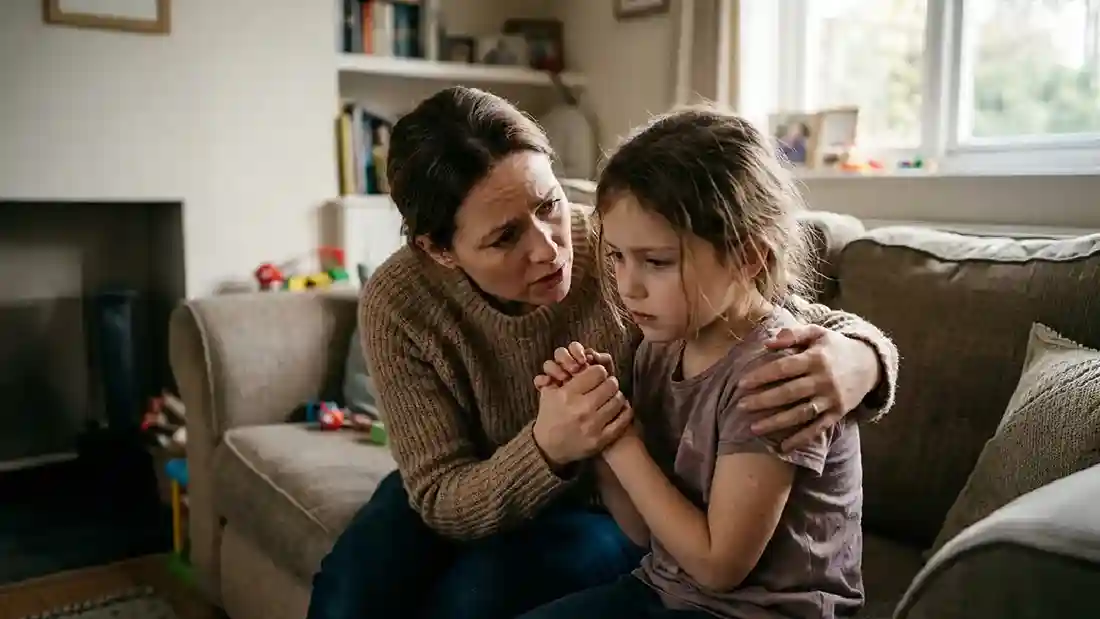
No parent wants anything but safety and happiness for their offspring.
Whenever the child says they are afraid of going to school, the parent allows them to stay at home. Whenever they get scared to answer in class, the parent does it for them. And whenever they get scared of mistakes, parents do their tasks for them.
At first sight, everything seems to be correct.
But anxiety works differently.
Each time a child avoids a frightening situation, the brain learns that the situation is dangerous. The fear gets stronger instead of decreasing. Gradually, any situation starts feeling scary even if it is not really so.
This is why the knowledge of anxious child parenting India becomes so relevant.
What Childhood Anxiety Actually Looks Like (Not Just Shyness)
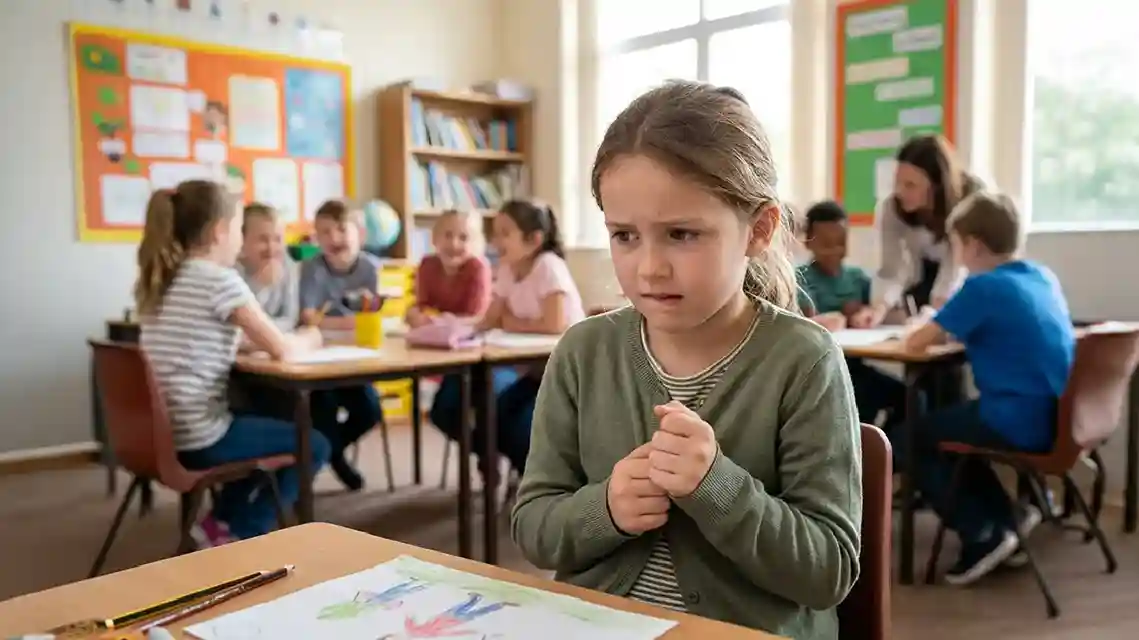
Many people think an anxious child is simply shy.
That is not always true.
A shy child may take time to adjust to new situations. An anxious child often feels intense fear, even when there is no real danger.
Some common signs include:
- Constant worrying about small things
- Fear of making mistakes
- Avoiding school or social events
- Frequent stomach aches or headaches without a medical reason
- Trouble sleeping
- Asking the same questions repeatedly for reassurance
- Becoming upset before tests, birthdays, or family events
- Difficulty separating from parents
Sometimes anxiety shows up as anger, crying, or frustration instead of fear.
This is why parents should look beyond behavior and try to understand the emotions underneath.
The 3 Biggest Mistakes Parents Make
No parent makes mistakes on purpose. Most happen because we simply want to reduce our child’s pain.
Here are three common ones.
1. Giving Too Much Reassurance
Parents often answer the same worried question again and again.
“What if something bad happens?”
“You’ll be fine.”
“Nothing will happen.”
For a few minutes, the child feels better.
Soon, the worry comes back.
Then the child asks again.
This creates a cycle where children depend on reassurance instead of learning to manage uncertainty.
2. Protecting Children From Every Fear
Many parents avoid situations that make their child uncomfortable.
They cancel activities.
They allow children to skip school.
They solve every problem before the child has a chance to try.
Although this reduces stress for the moment, it also teaches children that they cannot handle difficult situations on their own.
This is one reason “over-protective parenting anxiety” is becoming an important topic for families and mental health experts.
Children grow stronger by facing manageable challenges with support—not by avoiding them completely.
3. Trying to “Fix” Every Emotion
Parents naturally want children to stop feeling worried.
But emotions are not problems to eliminate.
Instead of saying,
“Don’t worry.”
or
“There’s nothing to be scared of.”
Try understanding the feeling first.
Children feel safer when they know someone understands them.
Why Reassurance Loops Worsen Anxiety Over Time

Consider your child asking,
“Can you assure me that things will be fine?”
You answer affirmatively.
After five minutes, the question is posed again.
And yet again.
Such a scenario is known as a reassurance loop.
The sense of relief provided is temporary.
Children are no longer learning how to soothe themselves.
Their brains come to believe that there is no way for them to feel secure without continuous reassurances.
Some of the most effective techniques for how to calm an anxious child involve helping the child learn to deal with uncertainty rather than providing answers all the time.
Here is how parents can help through questioning:
“What can possibly happen?”
“What did you do about this situation before?”
“What should we do if this happens?”
What Actually Helps: Validation, Gradual Exposure, and Routine

If reassurance is not the answer, what works?
Validate Their Feelings
Validation does not mean agreeing with fear.
It means accepting that the emotion is real.
For example:
“I can see this feels scary for you.”
“You seem worried, and that’s okay.”
When children feel understood, they become more open to guidance.
Gradual Exposure
Confidence grows through practice.
Instead of avoiding fears completely, help children face them one small step at a time.
For example:
- First visit the school gate.
- Then walk inside.
- Later, attend one class.
- Slowly increase the time.
Each small success teaches the brain,
“I can do this.”
Build Predictable Routines
Children feel safer when life feels predictable.
Simple daily routines reduce uncertainty.
Helpful routines include:
- Regular sleep schedules
- Healthy meals
- Daily physical activity
- Quiet family time
- Limited screen time before bed
Even small routines create emotional security.
These simple childhood anxiety tips parents can follow consistently often bring lasting results.
Age-Specific Tips
Every age experiences anxiety differently.
Ages 5–8
Young children often express anxiety through physical complaints or clingy behavior.
Helpful ideas include:
- Keep routines consistent.
- Use simple words to explain feelings.
- Read books about emotions.
- Practice slow breathing together.
- Praise effort instead of perfect results.
Ages 9–12
Children in this age group begin worrying more about school, friendships, and performance.
Support them by:
- Listening without rushing to solve everything.
- Teaching simple problem-solving skills.
- Encouraging hobbies and outdoor play.
- Helping them manage school pressure step by step.
Ages 13–16
Teenagers may hide anxiety behind silence, anger, or withdrawal.
Parents can help by:
- Keeping communication open.
- Respecting their growing independence.
- Avoiding constant criticism.
- Encouraging healthy sleep and balanced routines.
- Being available without forcing conversations.
At every age, children need support—not pressure.
When to Seek Professional Support
Some anxiety is a normal part of growing up.
However, professional support becomes important when anxiety:
- Stops children from attending school
- Affects friendships
- Causes panic attacks
- Continues for several months
- Interferes with daily life
- Leads to frequent emotional outbursts
- Makes family life stressful every day
Seeking help is not a sign of failure.
It is a sign that parents are choosing the right support for their family.
How Parenting Coaching India Helps Parents—Not Just the Child

When a child struggles with anxiety, many parents believe the child is the only one who needs help.
In reality, parents play one of the biggest roles in reducing anxiety.
This is where parenting coaching India programs can make a meaningful difference.
Coaching helps parents:
- Understand why anxiety develops.
- Learn healthier ways to respond.
- Reduce reassurance habits.
- Build confidence instead of fear.
- Create calm family routines.
- Improve communication with children.
- Handle emotional situations with patience.
As parents learn new skills, children naturally begin feeling safer and more confident.
The goal is not to create fearless children.
The goal is to raise children who know they can handle difficult emotions without feeling controlled by them.
Final Thoughts
Every parent wishes to shield their child from suffering.
Yet confidence will not come from getting rid of fear. It will be achieved by helping children realize that they can deal with their fears.
When working on anxious child parenting India, please keep in mind that sometimes the smallest steps result in the most significant long-lasting results. Dealing with an “anxious child” requires more than mastering the right things to say. It involves developing trust, confidence, and emotional competence gradually.
Rather than trying to get rid of all fears and anxieties in a child, we can teach kids how to deal with those feelings bravely.
This is one of the best things we could give to our children.
Ready to Help Kids Develop Self-Confidence?
At Emotional Ability Resources (EaR), we believe that emotionally capable parents bring up emotionally healthy children.
The EaR Parenting Blueprint course offers parents the tools that help them learn more about emotions and how to deal with them.
In case learning independently fits your schedule better, try the LMS self-paced option and study whenever and wherever you like.
Take a step now! Because when parents develop, children do it as well.