

Raksha Bandhan is such an event that helps bring adult sibling relationships into sight. You send the traditional message, exchange photos, or just stay at a family meeting, but you see what is absent there: the communication that used to be so natural.
Of course, not all sibling relationships end with a quarrel. Sibling estrangement can occur much more subtly than that. A call goes unanswered. Another family event goes by without proper communication. Years pass, and finally, no one knows how to bridge the gap between them.
How Adult Sibling Relationships Slowly Drift Apart

Most adult sibling relationships change gradually. Childhood gives siblings a shared home, routines and family experiences. Adulthood removes much of that natural contact.
Sometimes, the old family roles remain even after everyone has grown up. One sibling is still treated as “the responsible one,” another as “the difficult one,” and another as “the favourite.” What felt normal during childhood can become a source of resentment later.
Sibling rivalry adults experience is also not always about competition. It can come from years of comparison, different treatment by parents, or the feeling that one sibling received more freedom, attention or support.
Then life changes. One sibling marries. Another moves to another city or country. Careers become demanding. Children arrive. Financial priorities change. Two people who once lived under the same roof can slowly develop completely different lives.
When Parents Become the Point of Conflict
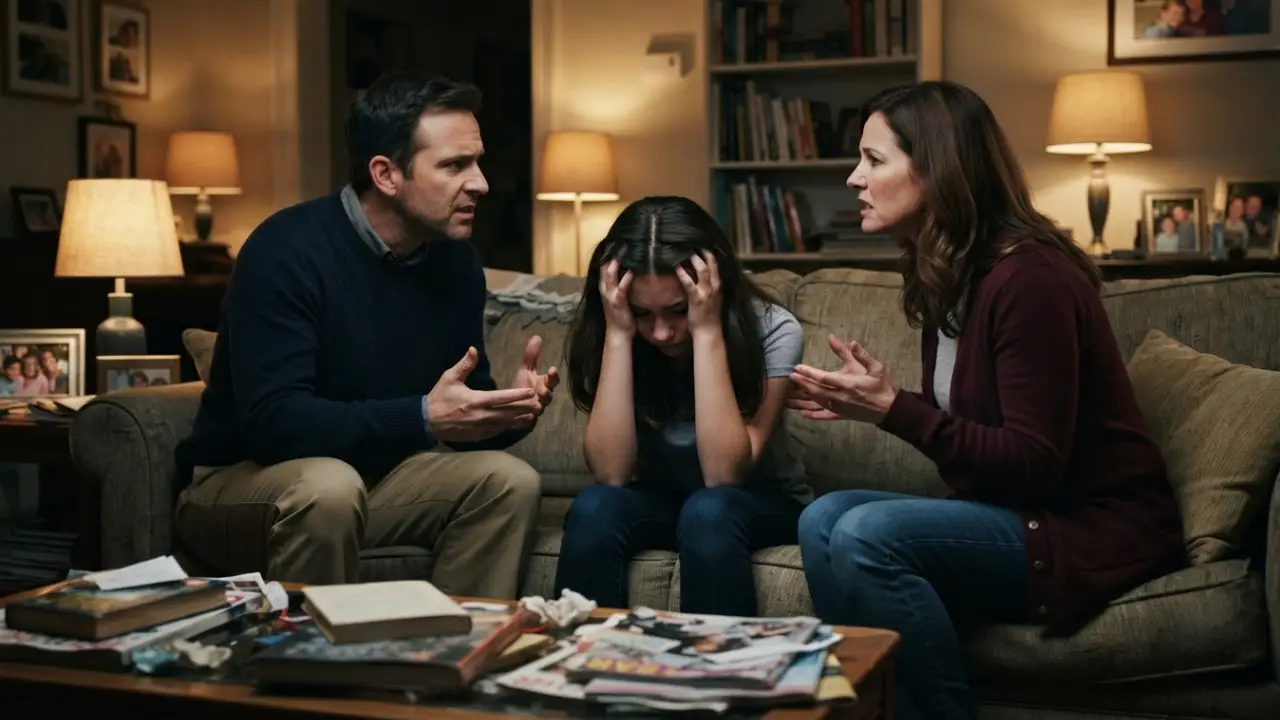
One of the hardest forms of sibling conflict over parents begins when ageing parents need more care.
Perhaps one sibling lives nearby and handles appointments, medicines and everyday needs while another contributes financially from a distance. Both may believe they are doing their part, yet both can feel that the other does not understand the burden.
Research on adult sibling relationships also suggests that caregiving and sibling tension can become closely connected when ageing parents need support.
Caregiving can bring old family patterns back to the surface. A disagreement about money or medical decisions may actually carry years of “I always had to handle everything” underneath it. This is why conversations about ageing parents can become emotionally much bigger than the immediate issue.
Inheritance and property can create another layer. Money may give an old disagreement a new vocabulary, but the hurt often started much earlier.
Why Sibling Estrangement Hurts Differently

Sibling estrangement can be difficult to explain because a sibling is not simply another person you stopped talking to.
They remember your childhood. They may know the family stories that shaped you, the people you both lost, the rules you grew up with and the version of yourself that existed long before adulthood.
That shared history can make distance strangely painful. You can build a full adult life and still feel unsettled by one relationship that remains unresolved.
There is also little social language for it. People understand a difficult marriage or divorce more readily. With siblings, the expectation is often much simpler: “But you are family. Just talk.”
For many people experiencing family estrangement in India, this pressure becomes particularly noticeable during weddings, festivals and family gatherings.
Relatives may expect photographs, conversations and visible closeness even when the relationship behind them has become complicated.
What Repairing Adult Sibling Relationships Actually Requires
Repair does not necessarily mean returning to the relationship you had as children. In fact, that expectation can make reconciliation harder.
The goal is to understand whether you can build a healthier adult sibling relationship from where you are now.
You May Be Arguing About Today, But Feeling Yesterday
A disagreement about a parent, money or a family decision may activate something much older.
You may hear criticism and feel like the child who was never good enough. Your sibling may hear a request and feel that responsibility is being placed on them again.
An emotionally aware approach asks: What am I feeling underneath my reaction?
That question can change the conversation from “Who is right?” to “What is happening between us?”
Stop Waiting for the Perfect Apology

An apology can matter. So can accountability. But if an apology becomes the condition for every future conversation, the relationship may remain frozen.
Research from Karl Pillemer’s work on family estrangement found that people who successfully repaired family relationships often stopped trying to make the other person accept their complete version of the past. They focused more on the relationship they could build in the present.
You can acknowledge what hurt you without making the other person prove that they understand everything before contact can begin.
Start With the Present
You do not have to settle every childhood argument in your first conversation.
If you are wondering how to reconnect with a sibling, begin smaller. A message about an ordinary family matter, an old photograph or something you know they care about can sometimes be easier than opening with years of accumulated hurt.
A simple, “I know we haven’t really spoken in a long time. I was thinking about you and wanted to reach out,” can be enough.
Accept That Repair May Be Uneven
You may be ready before your sibling is. You may make the first attempt and receive a short response, no response, or something you did not expect.
That does not automatically mean the attempt was pointless.
Repair is also not the same as immediate closeness. You might move from silence to occasional messages before you ever become emotionally close again. Adult sibling relationships can exist at different levels of contact, and not every repaired relationship needs to become deeply intimate.
If You Decide to Have the Conversation

Choose an individual space rather than a family meeting. Use your personal experience rather than beginning the talk with an accusation. For instance, using “I have been missing being in a relationship with you” opens a different path compared to “You never cared for me”.
You do not have to resolve past problems in one talk. Should something go wrong in the process, you will be able to take a break and then continue another time.
How EaR Can Help

At Emotional Ability Resources (EaR), Relationship Issues support can help you understand the emotional patterns behind difficult family relationships rather than simply focusing on what was right or wrong.
Through professional support, you can explore unresolved resentment, understand how childhood roles may still affect your reactions, communicate your needs more clearly and develop healthier boundaries. If caregiving has become a source of tension, support can also help you work through the emotional pressure that often accompanies family responsibilities.
The aim is not to force reconciliation. It is to help you understand yourself, the relationship and what a healthier form of connection—or distance—can look like for you.
FAQs
Q1: Why do siblings grow apart as adults?
Sibling estrangement occurs due to various reasons, such as differing priorities, marriage, geographical location, role during childhood, parental comparison, unresolved resentment, and approaches to family issues. Sibling estrangement does not require any major falling out to happen.
Q2:How do I reconnect with a sibling I have not spoken to in years?
When considering ways of reconnecting with a sibling, start off easy and not with an attempt to solve the whole problem at once. Accept the estrangement and don’t complicate the first conversation too much.
Q3: Is it okay to stay distant from a sibling?
Yes, sibling estrangement doesn’t necessarily need to be repaired. If the contact leads to pain or boundaries are constantly being crossed, it’s better to remain disconnected.
Q4: Can therapy help with sibling conflict?
Therapy will allow you to see the patterns that occur in your relationship, learn to communicate better, release your resentment and set boundaries. Support via Relationship Issues is also useful if there is emotional family conflict.