“He’s not sad — he’s just working too hard.”
How many times have we heard statements like these?

“She’s just stressed.”
“He’s tired because of work.”
“Everyone feels like this sometimes.”
“Just stay busy and you’ll be fine.”
In most Indian families, the thought of someone having depression involves only one image—a person who cries, is always by themselves, and looks extremely sad throughout the time. However, this is far from the reality of depression.
A large number of people who are depressed do not appear to be sad at all.
They go to their workplace every single day. They visit social gatherings and family get-togethers. They smile in pictures.
However, they might be waging war in their mind which cannot be perceived by anyone else.
Learning about the signs of depression which need to be recognized in order to understand the hidden signs of depression in India is necessary.
Why Depression Looks Different in India
Depression is not only about being emotionally unwell. Depression affects thoughts, energy levels, behaviors, physical health, interpersonal relationships, and overall function.
In India, social customs may pose barriers in diagnosing depression because of the demands placed by society on people.
One grows up with expectations such as:
- Be brave.
- Do not complain.
- Your family needs you.
- Do not tell anyone your worries.
- Such illnesses occur in other individuals.
It is due to these social and cultural beliefs that one hides emotions from society.
They will always tell people that they are experiencing headaches, pains, anger, tiredness, and stress but not their feelings of being depressed and sad.
That is one explanation behind the statement of depression symptoms, not sadness.
The 6 Hidden Faces of Depression
1. Irritability Instead of Sadness
Many people with depression do not cry.
Instead, they become easily irritated.
Small things start triggering frustration. They may snap at family members, lose patience quickly, or seem constantly annoyed.
Family members often assume the person has an attitude problem.
In reality, ongoing irritability can be one of the lesser-known hidden signs of depression India continues to overlook.
2. Over-Functioning and Constant Busyness
Some people respond to emotional pain by staying busy all the time.
They work longer hours.
They take on extra responsibilities.
They keep helping everyone else.
From the outside, they appear successful and productive.
Inside, however, they may be using work as a way to avoid difficult emotions.
This pattern is often seen in masked depression Indian families may not recognize because the person looks highly capable and responsible.
3. Emotional Numbness
Depression is not always about feeling sad.
Sometimes it is about feeling nothing.
Activities that once brought joy no longer feel exciting.
Family celebrations may feel empty.
Personal achievements may bring little satisfaction.
The person is not being ungrateful. They may simply be emotionally exhausted.
4. Wearing a Social Mask
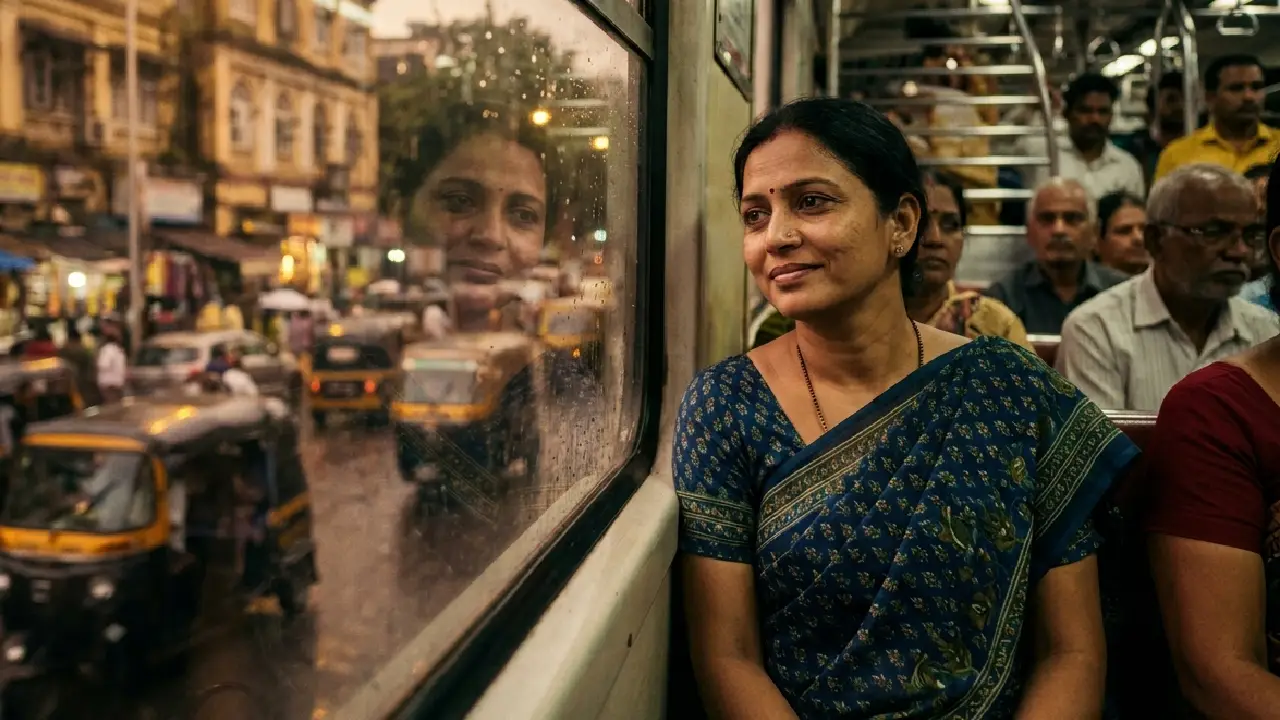
Quite a number of people develop expertise in putting on a good show, even though all is not well.
They have a smile on their faces.
They tell jokes.
They are sociable.
No one has any idea that they are having problems.
But once they get back home, they tend to be exhausted, lonely, and isolated.
This is probably the most prevalent form of masked depression that Indian families fail to recognize since everything about the individual appears to be perfect.
5. Physical Symptoms
In India, depression often shows up through the body.
People may experience:
- Frequent headaches
- Body pain
- Digestive issues
- Fatigue
- Sleep problems
- Low energy
Many spend months treating physical symptoms without realizing emotional distress may be contributing to them.
This is another reason why depression symptoms can be difficult to identify.
6. Anger and Rage
There are some who communicate their pain using anger.
Such people tend to be argumentative, violent, or emotionally reactive.
Members of the family tend to notice the anger alone without taking note of the pain behind it.
Although anger may not necessarily indicate depression, rage, combined with emotionality, exhaustion, or even hopelessness could be worth investigating further.
Why Indian Families Often Miss These Signs
Most families genuinely care.
The problem is not a lack of love.
The problem is a lack of awareness.
Many parents, spouses, and relatives were never taught how depression can appear in everyday life.
Instead, they may say things like:
- “You have everything.”
- “Don’t think so much.”
- “Just stay positive.”
- “You’re being dramatic.”
- “Everyone has problems.”
Although these comments are usually well-intentioned, they can make the person feel even more alone.
When emotional pain is repeatedly dismissed, people often stop talking about it altogether.
What the Person Experiencing Depression May Feel Inside
While every experience is different, many people describe depression as carrying an invisible weight.
They may feel:
- Constant mental exhaustion
- Lack of motivation
- Guilt for struggling
- Hopelessness about the future
- Disconnection from loved ones
- Difficulty enjoying life
- Feeling stuck despite trying their best
Many continue functioning because they feel they have no choice.
They keep showing up for work.
They keep caring for their family.
They keep meeting responsibilities.
But inside, they may feel like they are barely holding themselves together.
This hidden struggle is why understanding the hidden signs of depression India needs to become part of everyday family conversations.
When Should Families Seek Professional Help?
Many people wonder whether they should wait and see if things improve.
Temporary sadness, stress, or disappointment are normal parts of life.
However, professional support becomes important when symptoms:
- Last for several weeks or longer
- Affect work, studies, or relationships
- Cause major changes in sleep or appetite
- Lead to withdrawal from loved ones
- Create feelings of hopelessness
- Result in thoughts of self-harm
If you are wondering how to help depressed family members Indian families commonly struggle to support, one of the most important steps is encouraging professional guidance without judgment or pressure.
What Structured Support for Depression Actually Includes
Many people believe support simply means talking about feelings.
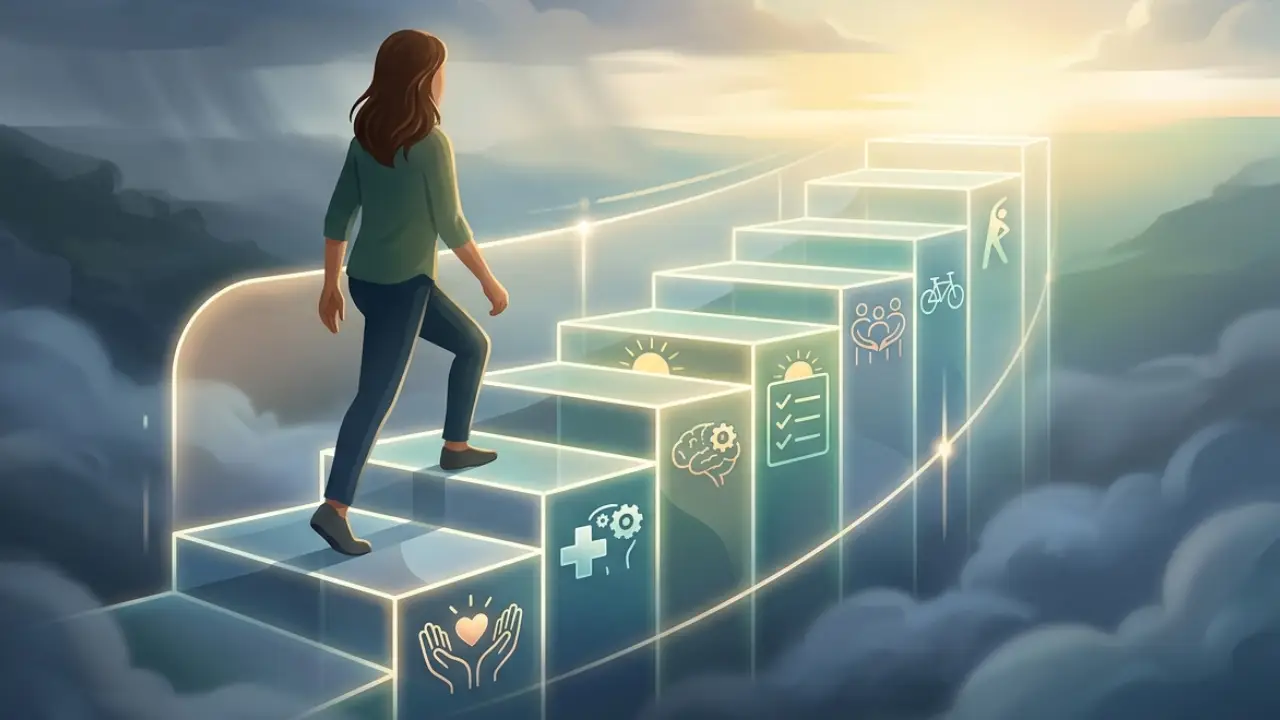
In reality, structured depression support is much broader.
This might involve:
- Recognizing emotional cycles
- Determining potential triggers
- Gaining healthy coping mechanisms
- Stress management training
- Enhancing family communications
- Establishing daily habits for recovery
- Increasing one’s emotional resilience
Professional counseling will also assist families in learning how to provide assistance while preventing themselves from becoming emotionally drained.
Nowadays, the availability of online depression support India services has never been easier. Individuals can receive professional counseling from the convenience of their own homes.
You Don’t Have to Wait Until Things Get Worse
Depression is not always sad.
It can appear as anger.
It can appear as perfectionism.
It can appear as constant busyness.
It can appear as a smile concealing emotional distress.
The more awareness we gain about depression symptoms, the more capable we become of helping the people we care about.
Awareness, at Emotional Ability Resources (EaR), is the beginning of healing.
Should you or someone close to you be exhibiting emotional distress, discover how our Handling Depression services can help you through a guided and organized process. If you wish to have a deeper understanding about emotions, visit our online courses and get the necessary credentials to promote mental wellness.
As it often turns out, it’s the individual that appears to be “fine” that requires the help.