

It didn’t start suddenly. There was no one moment where everything broke. It happened slowly.
The first time waking up took extra effort. The second time, even doing simple things like brushing teeth became too much to handle. Normal activities like morning chai, speaking with family members, stepping out to get some air—they all started to take an effort to do.
There is always fatigue, which sleep cannot cure. There is guilt: “Why aren’t we able to be normal?” There is confusion: “What’s wrong with me?”
In most households, especially in India, our lives continue as usual. Our duties remain the same. Yet, inside, we feel trapped. Silent. Alienated.
Slowly, one idea begins forming within us:
“What’s stopping me from snapping out of this?”
This is usually how the process of recognizing the symptoms of depression starts.
When “Just Stress” Becomes Something More
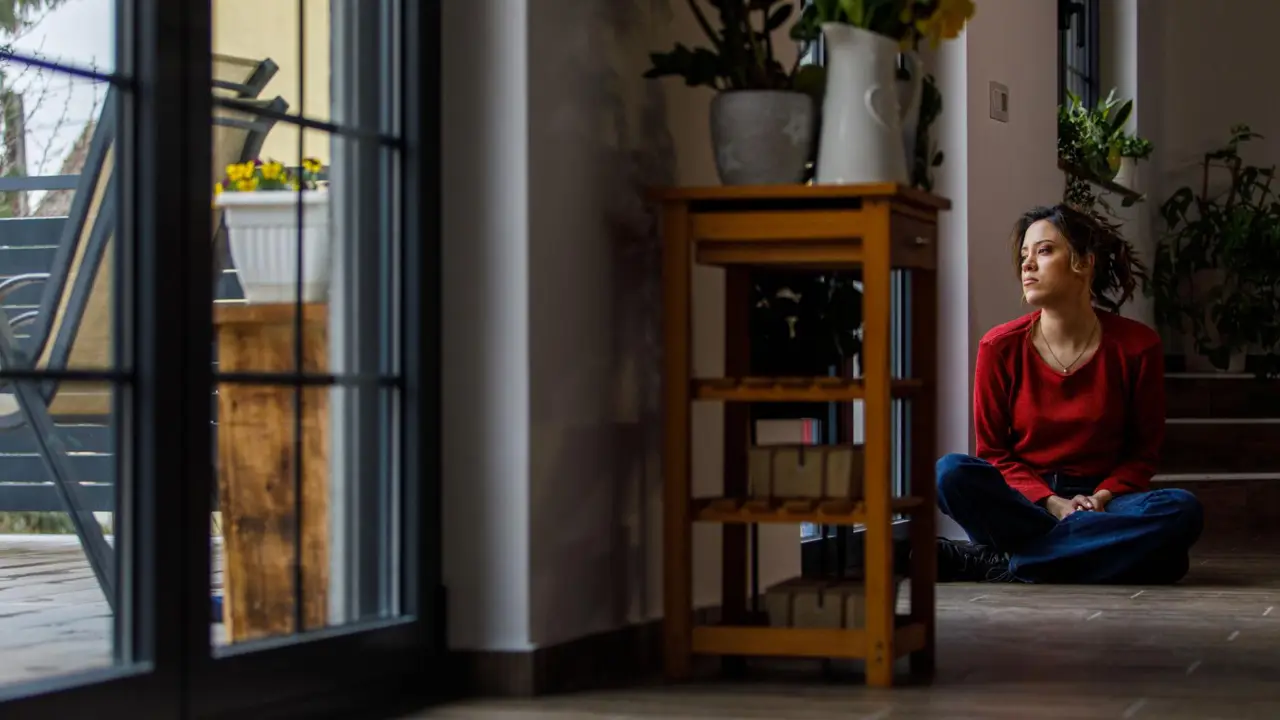
Many of us are told, “It’s just stress,” or “Everyone feels like this.” Sometimes we even tell ourselves the same thing.
But what if it is more than stress?
Depression is not laziness. It is not a weakness. It is not a lack of effort. It is a real condition that affects how we think, feel, and live.
In Indian families, we often hear things like:
- “Stay positive”
- “Others have bigger problems”
- “You just need to be strong”
These words may come from care, but they can make us feel worse. They add guilt to pain.
We may start believing:
- “My problems are not big enough”
- “I should be able to handle this”
- “I am just not trying hard enough”
But the truth is simple: if something feels heavy every day, it matters.
Understanding the signs of depression in family members or in ourselves starts with accepting that this feeling is real—and it deserves attention.
Why Depression Hits Indian Families Differently

Depression is not just about the mind. It is also about our surroundings, our culture, and our life situations.
The Weight of Being “Strong”
In Indian culture, we are taught to be strong from a young age.
- Sons are told not to cry
- Daughters are expected to adjust
- Adults are expected to handle everything quietly
We wear a mask of being okay, being capable, and being grateful.
But over time, this mask becomes heavy.
When we keep pushing our feelings aside, they don’t disappear. They build up. This emotional pressure can turn into emotional exhaustion symptoms like constant tiredness, irritability, and numbness.
When Life Transitions Become Triggers

Life changes can also add pressure:
- Marriage expectations
- Career stress
- Financial responsibilities
- Caring for children and parents
For many, especially in cases of depression in Indian women, emotional needs are often ignored. They give care to everyone but rarely receive it.
There is also the silent fear of “log kya kahenge.” This fear stops many from speaking up or asking for help.
All of this can slowly lead to low mood, fatigue, and social withdrawal—making depression harder to notice and even harder to talk about.
What Does Depression Actually Look Like? Common Symptoms of Depression
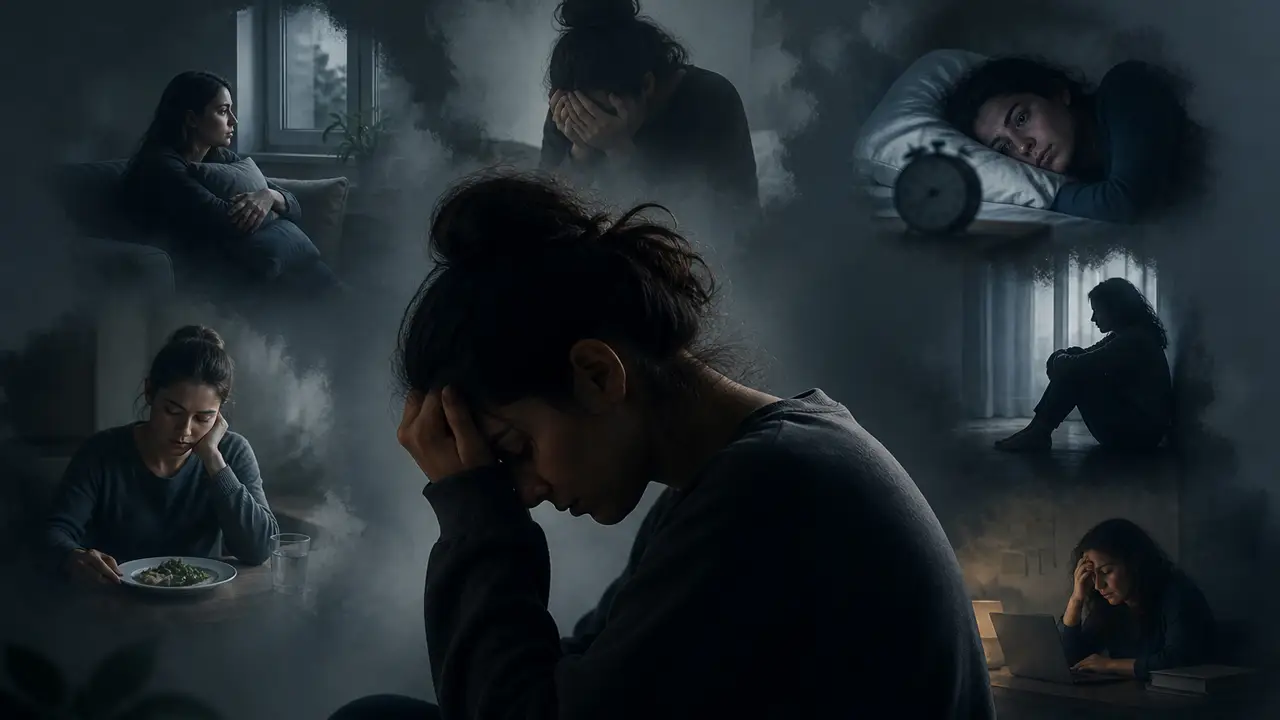
Depression does not always look obvious. It is not just crying or feeling sad.
Here are some common symptoms of depression you may notice:
- Feeling low most of the day
- Losing interest in things you once enjoyed
- Feeling tired all the time, even after rest
- Changes in sleep (sleeping too much or too little)
- Changes in appetite
- Difficulty focusing (brain fog)
- Feeling guilty or not “good enough”
- Body aches without a clear reason
Sometimes, depression shows up in physical ways. In India, many people complain about headaches, stomach issues, or body pain without realizing it is connected to emotional health.
It can also look different for different people:
- Some people withdraw and become quiet
- Some become irritated or angry
- Some keep functioning but feel empty inside
This is why understanding the symptoms of depression is so important. It helps us see what is really going on beneath the surface.
Finding Your Way Back: Small Steps That Make a Difference
When we are struggling, even small things can feel big. So instead of trying to fix everything, start small.
For the Days, Even Getting Out of Bed Feels Impossible
- Sit up instead of getting up
- Wash your face instead of taking a full shower
- Open a window for fresh air
These small steps matter. They remind us that movement is still possible.
Building a Support System That Actually Works
One of the best ways to deal with depression is not doing it alone.
- Talk to one person you trust
- It can be a friend, cousin, or sibling
- You don’t need to explain everything—just say, “I’m not okay”
Other small steps:
- Create a simple daily routine (like morning chai or a short walk)
- Move your body gently—no pressure to exercise
- Allow yourself to rest without guilt
Depression is not laziness. Rest is not failure.
These steps are not a full solution, but they can make the weight feel lighter and guide you toward depression treatment India options when you are ready.
You Don’t Have to Do This Alone: When and How to Seek Help
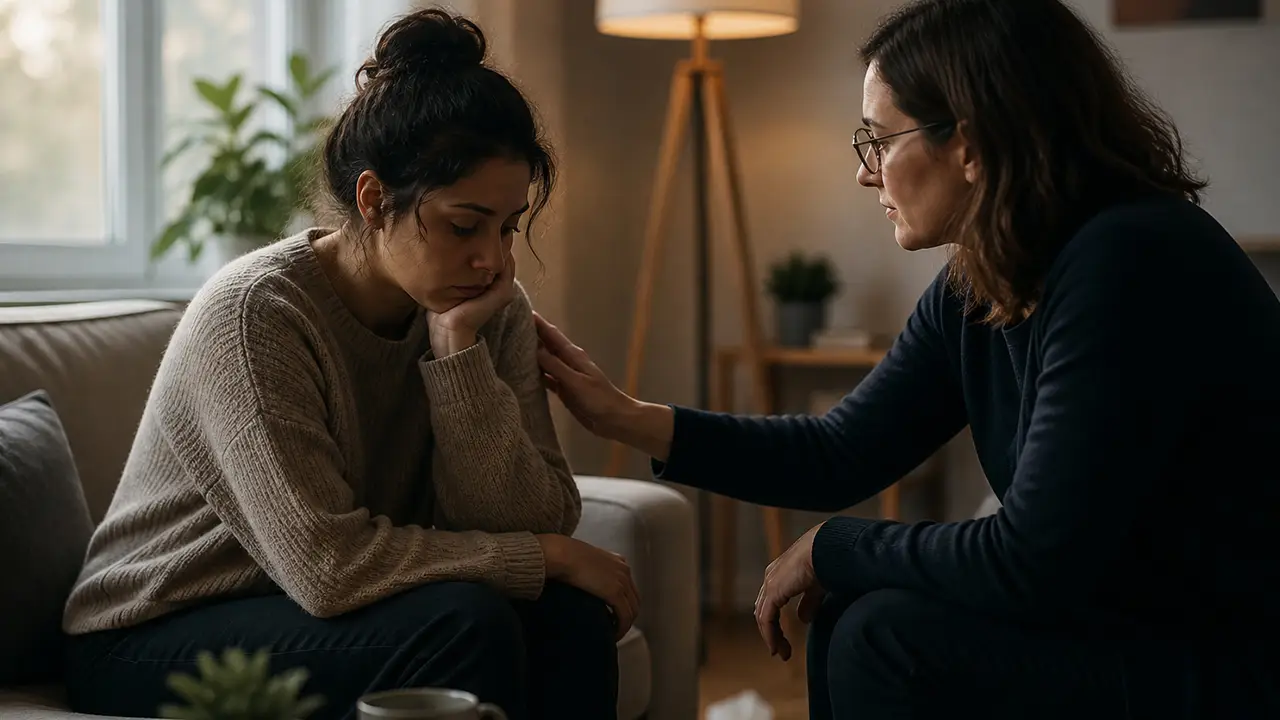
There comes a time when support becomes necessary. Knowing when to see a therapist is important.
You may consider seeking help if:
- The symptoms of depression last more than two weeks
- Daily life feels difficult
- You feel stuck even after trying to help yourself
- You feel constant hopelessness
There are different types of support:
- Therapy (talking to a professional)
- Psychiatry (medical support if needed)
- Support groups
In India, many people hesitate because of stigma or “log kya kahenge.” But mental health is just like physical health.
If you had a physical illness, you would seek treatment. Your mind deserves the same care.
Today, many depression treatment India options are available—online and offline.
Also, remember:
- You can start small
- You can book a therapy session online
- You can reach out to mental health coaches
Strong depression and family support can also make a big difference. Even one understanding person can help you feel less alone.
You’re Not Broken. You’re Human.
At Emotional Ability Resources (EaR), we believe in creating safe spaces where you can talk, feel, and heal—without judgment.
You deserve support.
And most importantly—
You deserve to feel lighter.