

You know what a trigger is.
You know deep breathing helps.
You’ve watched videos on stress, trauma, emotional patterns, boundaries, childhood wounds—maybe even saved a few posts that made you stop and think, “That’s me. That’s exactly what happens with us.” And yet, one difficult conversation happens, one unexpected comment lands the wrong way, one old memory gets touched… and suddenly everything you thought you understood feels far away.
You react.
You shut down.
You say something you didn’t mean.
Or maybe nothing comes out at all, but the conversation keeps replaying in your head for the next two days.
And somewhere in that moment, a very honest question starts showing up:
“Why can’t I control my emotions?”

At Emotional Ability Resources (EaR), this is one of the most common questions we hear. Not from people who are unaware. Not from people who have never worked on themselves. Quite the opposite, actually. We hear it from self-aware adults, working professionals, coaches, leaders, and people who have already spent months—sometimes years—reading, watching, learning, and trying to understand themselves better.
So if this question has crossed your mind too, there’s something important to understand: awareness is powerful, but awareness alone doesn’t always create emotional change.
Awareness Feels Good. But Awareness Alone Doesn’t Change Behavior.

We live in a time where emotional content is everywhere.
A podcast about burnout while driving to work. A video about trauma responses during lunch. A reel about attachment styles before bed. A therapist quote shared by a friend. A post about boundaries that suddenly feels deeply personal.
And honestly, all of this can be helpful.
It gives language to experiences many of us never knew how to explain. It helps us say things like, “I feel triggered,” or “This is my stress response,” or “Maybe this pattern started much earlier than I thought.” That kind of awareness matters.
But here’s where many people quietly get stuck.
Understanding your emotional patterns and actually changing your emotional responses are two very different things. One lives in the mind. The other has to show up in real life—during conflict, during disappointment, during pressure, during the exact moments when emotions move faster than logic.
That gap between knowing and doing is where many people begin searching for emotional intelligence training India, or even a structured online emotional wellness program—not because they lack information, but because information is no longer enough.
The Knowledge-Action Gap in Emotional Wellness

Think about physical fitness for a second.
Most of us already know what healthy living looks like. Sleep on time. Drink enough water. Move your body. Eat better. Stretch. Rest.
Simple knowledge.
And yet knowing those things doesn’t automatically make someone healthy.
Why?
Because health doesn’t come from information. It comes from repetition, consistency, feedback, and practice.
Emotional growth works exactly the same way.
You can spend time reading two dozen books on anxiety, viewing five dozen videos on communicating, listening to people speak about trauma and setting boundaries, yet find yourself snapping at someone you care about, withdrawing from discussions when things become hard, and ruminating on minor arguments for days.
That’s not failure.
That’s the awareness-action gap.
And unless that gap is addressed, emotional growth often stays intellectual instead of practical.
What Emotional Ability Actually Means

A lot of people know the term emotional intelligence.
Fewer people understand emotional ability.
And when people search for emotional ability vs emotional intelligence online, they’re often trying to understand why awareness isn’t turning into emotional control.
The difference is simpler than most people think.
Emotional intelligence helps us notice.
Emotional ability helps us respond.
Emotional intelligence may help us say:
- “We’re feeling angry.”
- “This conversation is activating something.”
- “This situation is making us insecure.”
That awareness is valuable.
But emotional ability is what helps us pause before reacting, speak clearly under pressure, set boundaries without guilt, recover after emotional pain, and stay present during uncomfortable conversations instead of escaping them.
At EaR, this is one of our strongest beliefs:
- Emotional abilities are not fixed personality traits.
- They are trainable human skills.
And skills, when practiced consistently, change lives.
Why So Many Self-Aware People Still Feel Stuck

This has very little to do with motivation.
And almost nothing to do with intelligence.
Most people stay stuck for three very human reasons.
- Insight Without Practice
This happens more often than people admit.
You read something powerful. It clicks.
You journal about it. You share it with someone close. For a day or two, it feels like something has shifted.
Then real life happens.
A partner says something sharp. A manager questions your work. A family member crosses a line. And suddenly your old reaction shows up again—same tone, same silence, same anger, same shutdown.
Not because you didn’t learn.
Because learning without practice rarely changes emotional wiring.
- Missing Skill-Building
Most emotional content explains what is happening.
Very little teaches how to build emotional skills.
For example, many people know they need better communication.
But do they know
- How to calm their body before a difficult conversation?
- How to recognize stress signals before they become emotional explosions?
- How to respond without becoming defensive?
- How to repair after conflict instead of avoiding it?
That’s skill-building.
And that’s exactly why many professionals today actively look for emotional intelligence training India programs that focus on practice—not just awareness.
- No Accountability
Growth feels easy in theory.
Growth feels different in relationships.
It’s easy to say:
“We need stronger boundaries.”
It’s harder when someone we care about gets upset because of those boundaries.
It’s easy to say:
“We should stay calm.”
It’s harder when someone pushes the exact button they’ve been pushing for years.
Without accountability, even highly aware people fall back into old emotional habits. Not because they’re weak. Because human behavior changes through repetition, reflection, and guided correction.
What Neuroscience Says About Emotional Change
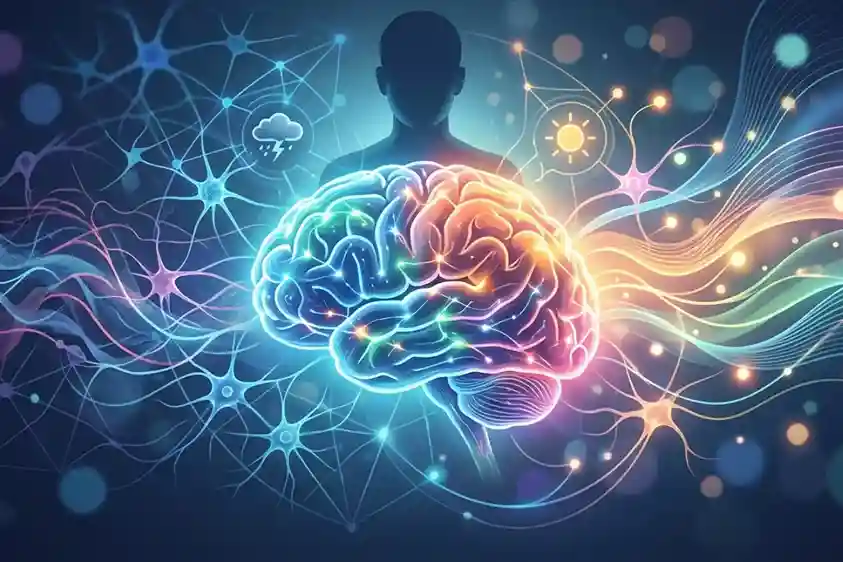
This isn’t just personal development language.
This is brain science.
Our brains change through repetition.
Not realization.
That may sound simple, but it changes everything.
Reading about emotional regulation may create awareness. It may even create hope. But the nervous system doesn’t change because something “makes sense.”
It changes when new responses are practiced again and again—especially in emotionally real situations.
That’s why reading about swimming doesn’t teach someone how to stay afloat.
And reading about emotional regulation doesn’t automatically teach the nervous system how to stay calm under pressure.
Practice does.
Training does.
Consistency does.
What Structured Emotional Learning Actually Looks Like
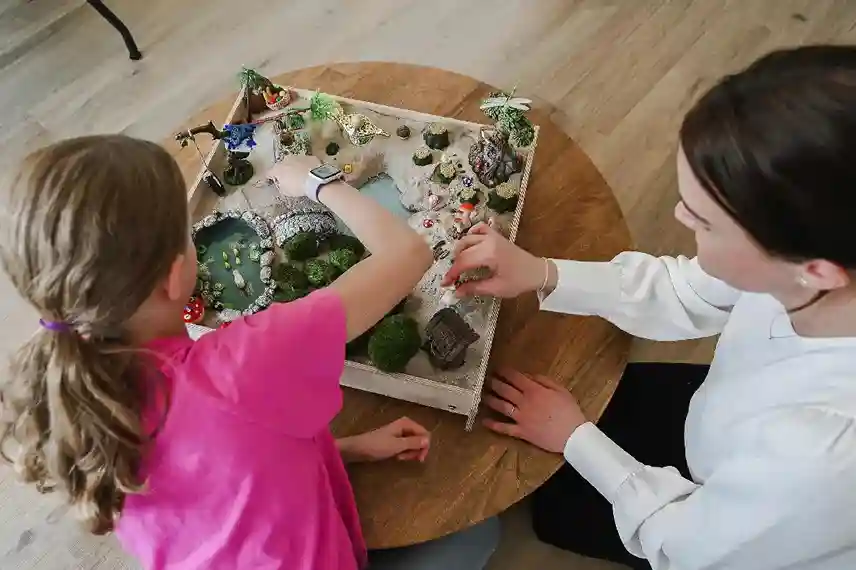
This is where emotional growth starts becoming real.
A structured online emotional wellness program usually includes three things working together:
- First, awareness.
Understanding triggers, patterns, emotional blind spots, stress responses, and behavior loops.
- Second, practice.
Real exercises. Reflection. Communication tools. Nervous system regulation. Emotional drills that can actually be used in daily life.
- And third, feedback.
What worked?
What didn’t?
What pattern showed up again?
What needs more attention this week?
That’s the difference between consuming emotional content and training emotional abilities.
Choosing the Right Support for Your Situation
Not everyone needs the same format. And honestly, that’s a good thing.
Some people do extremely well with mental health courses online India because they like learning privately, moving at their own pace, and practicing on their own schedule.
Some need deeper support, which is where one-to-one coaching becomes powerful—especially when emotional patterns feel repetitive, overwhelming, or deeply personal.
And some people grow best in guided group spaces, where shared learning, reflection, and accountability create faster emotional growth.
There’s no perfect format.
There’s only the format that meets you where you are right now.
A Simple 3-Step Framework to Move From Insight to Action This Week
You don’t need to change your entire life this week.
Just start smaller than your mind expects.
Step one: Notice one emotional pattern. Not five. Not ten. Just one. Maybe it’s shutting down. Maybe it’s people-pleasing. Maybe it’s overexplaining. Maybe it’s reacting too quickly.
Step two: Practice one different response. Pause for ten seconds. Take one deeper breath. Ask one clarifying question before defending yourself. Stay present just a little longer.
Step three: Reflect without judging yourself. At the end of the day, ask: What triggered us today? What did we do differently? What still felt hard? What deserves more practice?
That’s not perfection.
That’s training.
The Truth Most People Need to Hear
If you’ve been consuming emotional content for months—or maybe for years—and still find yourself reacting in old ways, that doesn’t automatically mean something is wrong with you. In many cases, it simply means you’ve reached a very common stage in personal growth: the point where awareness alone stops creating real change.
Many individuals devote much effort in understanding triggers, recognizing patterns, and learning emotional wellbeing. This is all very important. It usually represents the start of the healing process. However, at some point, there will come the need for knowledge to be acted upon and actions to be turned into habits.
This marks the start of developing one’s emotional skills—without additional information, inspirational messages, and so forth, but rather through repeated practice.
Ready to Train, Not Just Learn?

At Emotional Ability Resources (EaR), we believe emotional growth should be practical, measurable, deeply human, and most importantly—trainable.
Our Courses are designed for people who want more than emotional awareness. They’re built for people who are ready to build real emotional skills.
And through personalized coaching with Dr. Pragati Sureka, individuals, professionals, coaches, and leaders learn how to move from emotional insight to emotional ability in a way that actually stays.
So if you’ve been asking yourself:
“Why can’t I control my emotions?”
Maybe the better question is:
Are we still collecting emotional knowledge…
or are we finally ready to train emotional abilities?