
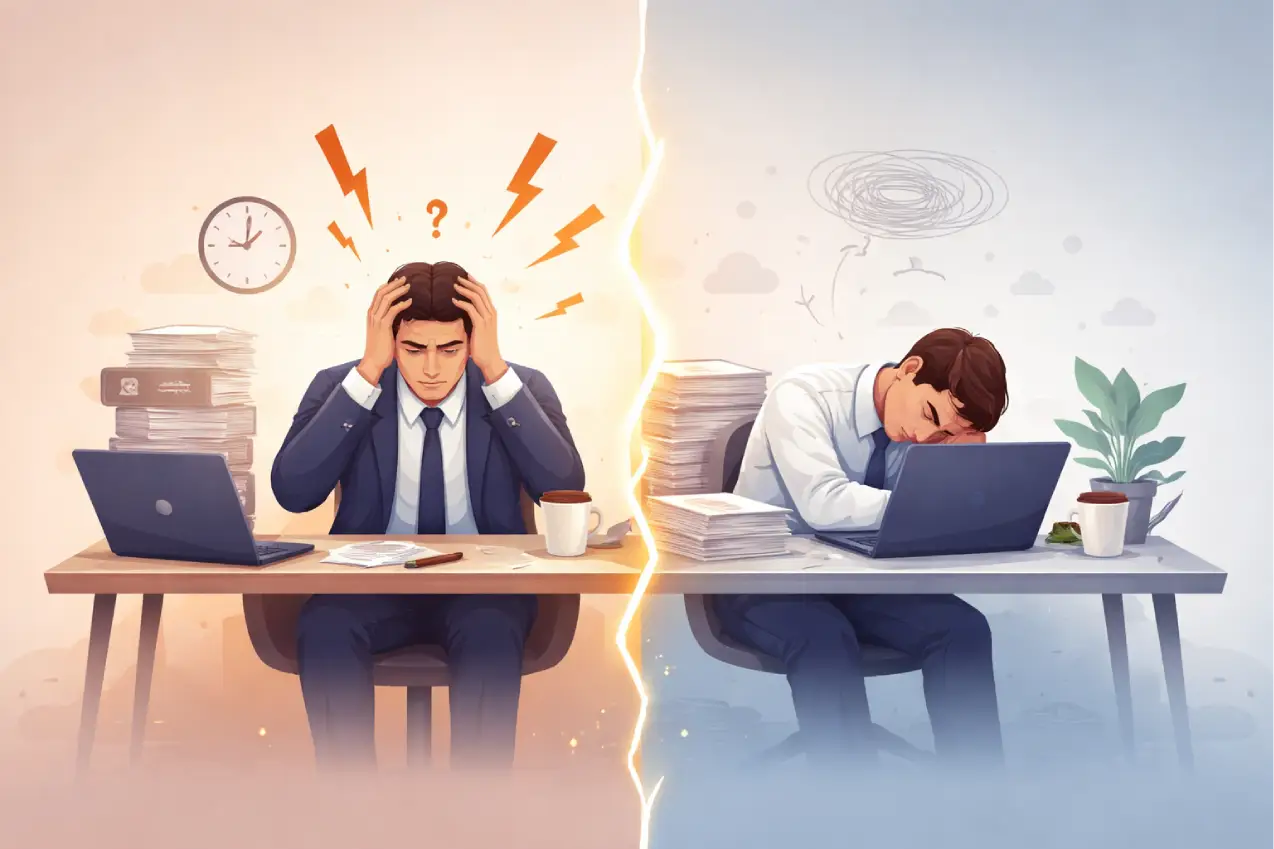
It is common for us to declare in our busy time, “I am stressed out.” But stress is not the only problem. What we are dealing with is no more stress, but something that has evolved from stress. It is known as burnout.
Understanding the stress vs burnout difference is extremely important to our emotional and mental well-being within ourselves. Failure to recognize these signs results in our continuous pursuit and exhaustion, leading to feelings of emptiness and detachment from the world around us. This is what we experience every day at Emotional Ability Resources (EaR).
Definitions and Key Differences
Stress is a normal response.
It occurs when we are under pressure, we have a deadline, or we encounter a challenge. It is normally intense but ephemeral in nature, such that when the pressure subsides, the stress subsides with it.
Burnout is different. It presents itself cumulatively. It comes from long-term pressure with no proper rest or support. When stress is prolonged, it develops into burnout. This is the core stress vs burnout difference.
Stress says, “I have too much to do.”
Burnout says, “I don’t have any energy left to offer.”
Stress might make us feel overactive, while burnout causes us to withdraw.
Burnout significantly deteriorates workplace, mental health, relationships, and even physical health. It isn’t something that can be remedied by a good night’s sleep or a short break.
Most people overlook the initial signs of emotional burnout because they are so minor at first.
We may still be engaging with work, taking care of the family, and smiling, but the inner self, after all, becomes unsettled.
Common early signs include:
- Feeling tired even after rest
- Loss of interest in activities previously found enjoyable
- Feeling emotionally flat or detached
- Easily irritated or silent
- Feeling like our efforts do not matter
Caregivers usually miss such signs. Parents, teachers, and caregivers have given so much that they have not even taken care of their own needs. That is why the caregiver burnout recovery needs special attention and care.
Emotional, Physical, and Cognitive Symptoms
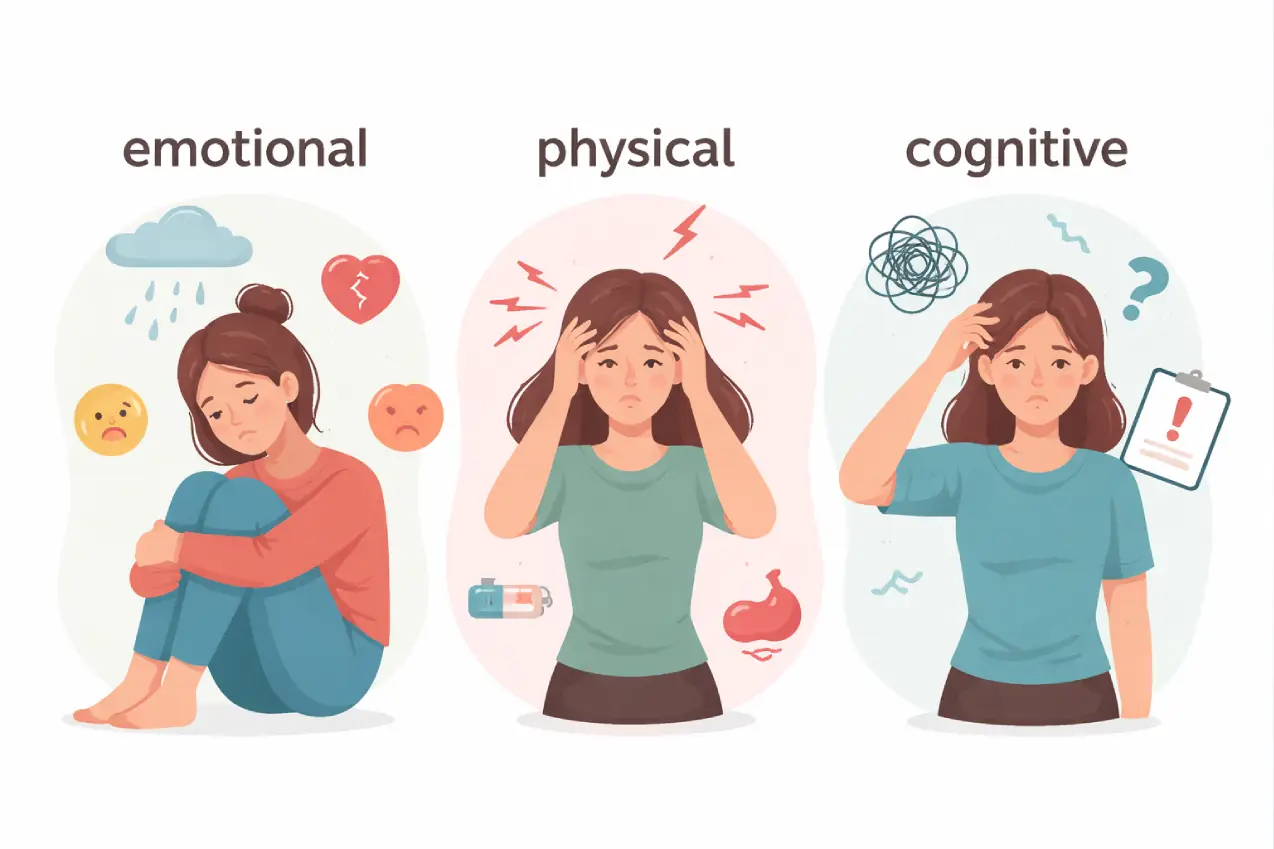
Burnout affects the whole person—emotions, body, and mind.
Emotional Symptoms
These are the most painful and often hidden:
- Feeling empty or numb
- Constant sadness or frustration
- Loss of motivation
- Need for emotional exhaustion help
- Feeling detached from people
These emotional shifts are clear signs of emotional burnout, not weakness.
Physical Symptoms
Burnout lives in the body:
- Headaches and body pain
- Low energy all day
- Poor sleep
- Weakened immunity
- Digestive problems
These are common chronic stress symptoms that worsen when burnout is ignored.
Cognitive Symptoms
Burnout also changes how we think:
- Trouble focusing
- Forgetfulness
- Slow thinking
- Negative self-talk
Our nervous system stays stuck in survival mode. This is where nervous system regulation becomes essential for healing.
According to the World Health Organization, burnout is linked to unmanaged workplace stress and impacts health deeply.
Recovery Plan: Rest, Boundaries, and Support

It must be noted that burnout recovery is not about quitting; it is about changing how we live.
Effective burnout recovery strategies begin with three basics:
Real Rest
No more scrolling. No more multitasking. Resting the nervous system involves slowing it down. Gentle walking, breathing, spending time quietly, and sleeping support nervous system regulation.
Healthy Boundaries
We need to know how to properly say no. Burnout develops as a result of continuous giving without end. Setting limits in the workplace as well as at home can preserve workplace burnout mental health and personal well-being.
Emotional Support
We are not created to mend alone. Talking to someone who understands what you say without judging you is the best emotional exhaustion help. Support makes us feel seen and safe.
Role of Therapy, Coaching, and EI Training
Professional help plays a significant role in the healing of burnout.
Visiting therapy creates an understanding of emotional patterns, releasing stored stress. Coaching assists us in recreating self-assurance or direction in life. Emotional Intelligence (EI) training enables us to:
- Understand emotions
- Manage stress better
- Improve relationships
- Build long-term resilience
We understand that EI skills are life skills. Indeed, such skills will be beneficial in assisting individuals in the recovery from burnouts that will surely come in the future.
For caregivers, therapy and EI tools play a significant role in caregiver burnout recovery, so they can provide care without losing themselves.
Prevention Strategies for Long-Term Wellness
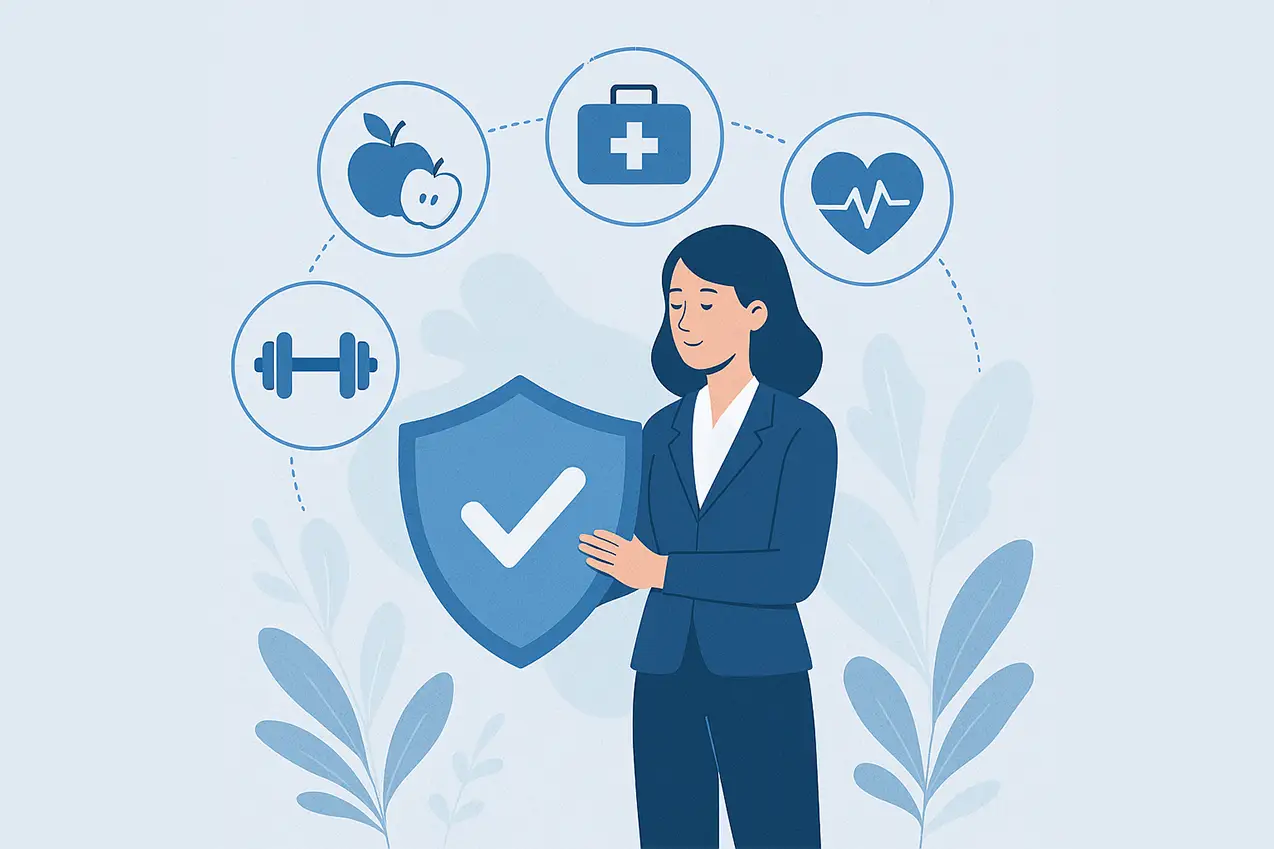
Prevention of burnout is possible when we listen early.
Simple daily habits protect us from long-term damage:
- Regular emotional check-ins
- Short breaks during work
- Clear work-life boundaries
- Honest conversations
- Practicing self-compassion
These are the habits that will promote workplace burnout mental health, and alleviate chronic stress symptoms.
We have to stop seeing burnout as a personal failing. It is a normal response to excessive stress.
Burnout Support Resources
If any of these resonate with you, then remember, we are not broken. We are simply exhausted, overwhelmed, and human.
Emotional Ability Resources provides personalized help for managing stress, burnout, and emotional healing. Our courses emphasize self-awareness, harmony, and sustained health.
You don’t have to face the end of the road with burnout. In fact, once you have appropriate burnout recovery strategies, emotional support, and nervous system regulation tools, it is possible to recover really and lastingly.
Check out our burnout support materials and make the first tender move back to your true self.